The Digital Transformation of the Auto Transport Industry
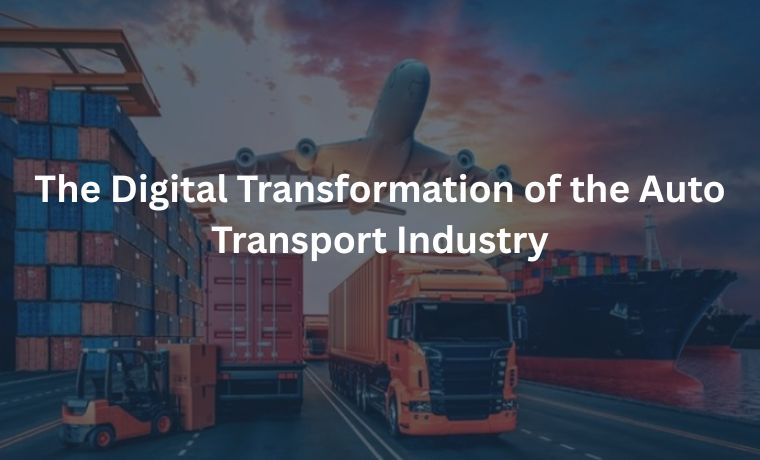
The Digital Transformation of the Auto Transport Industry – Driven by fast developments in digital technology, the auto transport sector has changed a lot lately. Once a process depending on phone calls, paperwork, and hand coordination, it has transformed into a simplified, technological experience. Digital innovation is changing vehicle transportation over states, nations, and across cities—from real-time vehicle tracking to online booking systems.
The Change from Conventional to Digital Operations
Organizing vehicle transportation in the past often required calling several businesses, physically comparing prices, and depending on little information on shipping status. Customers had little visibility into the process after handing over their vehicles. Digital platforms have streamlined these chores today so that consumers could get rapid quotations, contrast service providers, and arrange online transport services in a matter of minutes.
Modern shipping companies use cloud-based management solutions that automatically handle planning, dispatching, and communication. These systems improve operational efficiency and help to lower administrative burden. Consequently, companies could manage more shipments with less delays and more correctness.
Real-Time Tracking Increases Openness
GPS-based car tracking is among the most important internet developments for the vehicle transporting industry. Customers can currently track the whereabouts of their cars all through the shipping process. This kind of approach will contribute to creating a trusting atmosphere and decrease the amount of uncertainty which is always associated with the delivery of cars.
Moreover, the ability to track everything in real time makes it possible for the transportation company to optimize its route and at the same time check the work of its drivers.
Online Marketplaces Expand Options for Customers
The development of digital markets has brought change to the customer-company interaction. Rather than doing lengthy research about all companies, customers can obtain estimates from several companies on one website. The extremely competitive market forces service providers to maintain their quality while offering good prices.
For instance, consumers looking for specialist transit solutions may readily evaluate alternatives, reviews, and prices before deciding. Reliable local services can be found using tools like Sacramento Car Shipping, which helps users identify appropriate transportation choices for their particular needs.
Automation simplifies the process of logistics
Modern auto transport procedures depend more and more on automation. Advanced systems can instantly distribute shipments to carriers, maximize delivery routes, create bills, and send consumer warnings. These features increase efficiency throughout the transportation process and help to lower human mistake.
Machine learning and artificial intelligence techniques are also starting to affect logistics planning. Analyzing past shipping information helps these systems forecast demand trends, more closely forecast delivery schedules, and find chances to lower operating expenses.
Digital Documentation Cuts Paperwork
Electronic documentation’s acceptance has greatly increased efficiency in the vehicle transport sector. Extensive paper documentation is not necessary thanks to digital bills of lading, electronic signatures, and cloud-based record storage. Apart from accelerating transactions, this lowers environmental impact and administrative expenses.
Digital records are simpler for companies and consumers to get crucial delivery information anytime needed since they are simpler to access, share, and archive. Also, electronic documentation helps to reduce the possibility of lost or destroyed files and improves compliance.
Better Customer Dialogue
Customer service in the auto transport industry has been changed by technology. Automated email updates, SMS notifications, and live chat assistance help consumers informed at every stage of the shipping process. Instead of waiting for changes, consumers get proactive messages about pickup schedules, transit development, and delivery deadlines.
Many other modes of transportation also provide user portals where users may directly contact support teams, handle bookings, and get paperwork. These elements simplify and enhance user-friendliness.
The Future of Digital Car Travel
The auto transport sector is projected to get even more effective and consumer-focused as technology develops. Emerging technologies including autonomous vehicles, predictive analytics, and block chain could help to improve operational performance, security, and openness.
The digital transformation of the car shipping business is a basic change that is changing the way vehicle transportation services work, not just a trend. Companies that embrace these developments will be better positioned to satisfy expanding customer needs, raise efficiency, and stay competitive in a more digital market.